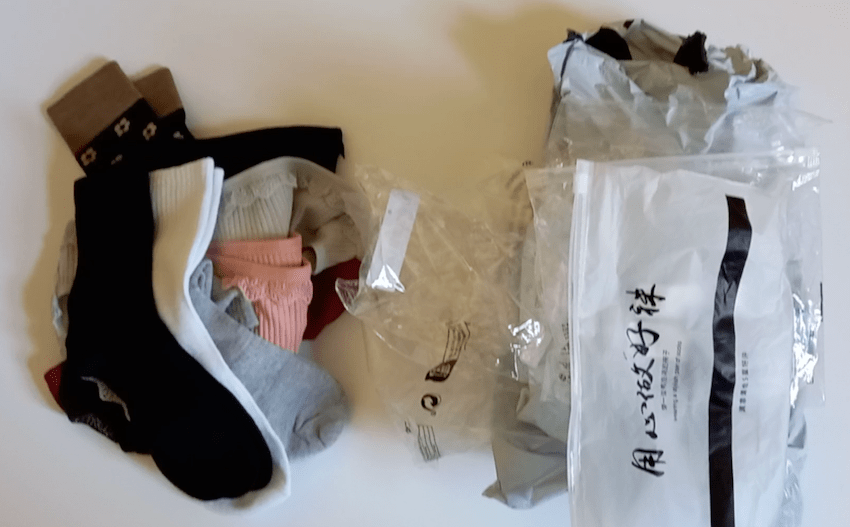
When I received my very first order from Shein, the most startling thing was the amount of packaging. I’d made a modest order, just a few pairs of pants and socks. When I laid them out on the table, the pile of plastic packaging dwarfed the items I’d taken out of it.
This experience is a microcosm of a much larger issue plaguing the fashion industry: an addiction to plastic and excessive packaging.
The OECD reports that packaging accounts for 40% of plastic waste. Meanwhile, 11% of plastic waste comes from clothing and textiles, and 12% from consumer goods. Despite efforts to recycle, only 9% of plastic waste is actually recycled. The rest ends up in landfills, uncontrolled dumpsites, or incineration plants, contributing significantly to environmental degradation.
The fashion industry, in particular, casts a long shadow over the health of our planet. Consumer demand for fast fashion is only growing, with brands producing nearly twice the volume of clothing they did in 2000.
A staggering 100bn clothing items are produced yearly, most of which are made from plastic-based fibres. Annually, the industry consumes 342mn barrels of petroleum to produce plastic-based fibres like polyester, nylon and acrylic. This equates to 1.35% of the globe’s oil consumption. Yet, only a tiny proportion of these fabrics are ever recycled.
Fast fashion brands like Shein’s reliance on plastic is evident in the packaging too: every item comes individually enclosed in a plastic bag.
To be fair, Shein says it has taken steps towards better packaging. In 2022, the company announced it began using partly recycled PE plastic bags for all parcels sent to Europe and the UK; specifically the bags which contain 50% recycled PE plastic.
Shein’s higher end MOTF brand switched to 100% recycled PE plastic bags as of August 2022, an initiative it says is expected to save three tonnes of virgin plastic particles monthly.
However, while PE plastic, as Shein says, can be continuously recycled, plastic bags require specialist recycling — they can’t just be chucked into domestic recycling bins along with other plastic packaging. Does that mean they all end up in the bin? Certainly a lot of them do, although these days there are a growing number of places you can take soft plastics to recycle. For example there’s a soft plastics bin at our local Co-op store; as it’s the only one in our area it’s almost always full to overflowing.
Looking at the broader picture, the fashion industry’s plastic footprint extends beyond the clothes themselves and consumer packaging. Look at items like plastic hangers; Arch & Hook, a sustainable materials brand, estimates that 128bn plastic hangers are used worldwide annually, most ending up in landfills.
On a more positive note, consumer awareness is driving change. Reports reveal that 61% of consumers in the UK are willing to switch to brands with eco-friendly packaging, and over 75% are willing to pay more for products with environmentally sustainable packaging. This shift in consumer behaviour pressures brands to adopt more sustainable practices and find ecological solutions.
Everything I wore on Day 18:

DAZY Solid Drop Shoulder Tee, white
Women’s Solid Color Basic Daily Leggings
Burgundy hoodie (thrifted)
Beige trench coat (thrifted)
2024 New Style College Wind Black & White Outdoor Sports Shoes for Women
Allover Leaf Graphic Drawstring Backpack
DAZY Women’s Floral Print Sleeveless Round Neck Sleep Dress
3pack Lace Trim No Show Brief, grey
 Fashion Slowdown
Leave a comment