
Hopefully things have changed over the last three years, but a YouGov survey from 2021 paints quite a bleak picture when it comes to views on sustainable fashion.
The YouGov European Fashion Report 2021 suggest that despite the growing emphasis on sustainability in global discourse, the fashion sector still struggles to rank highly in terms of consumer concern for eco-friendly practices.
Only 12% of European consumers consider sustainability to be especially important when shopping for clothes, placing fashion eighth behind sectors such as food and beverage, energy and cosmetics. Moreover, price is the top consideration when making decisions to buy clothing.
A notable 68% of respondents cite cost as their primary consideration, with quality (61%) and fit (56%) following closely behind. Environmental impact, on the other hand, is much less of a priority, with only 15% of Europeans considering it important.
The report also delves into shopping habits, revealing that 46% of Europeans purchase clothing from fast fashion outlets. In contrast, only 17% shop at second-hand stores and the same percentage from ethical brands, and an even smaller percentage (12%) uses resale apps. Luxury brands account for only 6% of clothing purchases.
Only one in 10 consumers consider buying ethical and sustainable clothing to be very important. For those who do prioritise eco-friendly choices, sustainable fabrics and materials are the top considerations, with 39% of respondents highlighting their importance. Reducing the use of chemicals and ensuring cruelty-free production also resonate with more than a third of consumers.
Despite a growing interest in ethical fashion, barriers to purchasing environmentally friendly clothing remain significant. High costs are the most common deterrent, respondents said, with 43% of French consumers identifying price as the main obstacle, compared to just 19% in Denmark. Another major challenge is the lack of clarity regarding which aspects of sustainability are being fulfilled. Austrians (39%) and Finns (38%) are the most likely to express confusion about eco-friendly labels, while only 12% of French respondents share this concern.
In terms of ethical behavior, 46% of European consumers report that they have not reduced their clothing purchases for ethical reasons, while 27% have consciously scaled back their shopping to lessen their environmental impact. This data suggests that while there is some momentum toward more sustainable shopping habits, the majority of consumers remain either unconvinced or unwilling to make significant changes to their purchasing behavior.
The YouGov survey, conducted from September 10th to 29th, 2021, polled 11,483 respondents from ten European countries, including France, Germany, Austria, and Italy. The findings paint a nuanced picture of sustainability in the fashion sector, indicating that while awareness is growing, there is still a long way to go before sustainable shopping habits become the norm across Europe.
Everything I wore on Day 42 of the 90 days of Shein challenge:
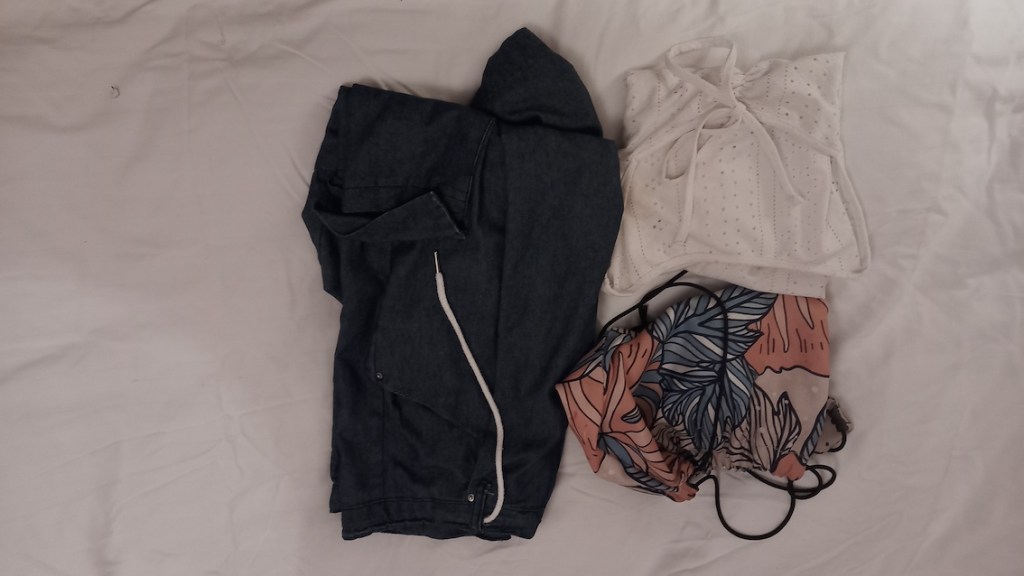
SHEIN LUNE Eyelet Embroidery Knot Front Tee,
Dazy-Less Drawstring Waist Cargo Wide Leg Denim Pants Baggy Jeans
2024 New Style College Wind Black & White Outdoor Sports Shoes for Women
Allover Leaf Graphic Drawstring Backpack
DAZY Women’s Floral Print Sleeveless Round Neck Sleep Dress
3pack Lace Trim No Show Brief,black
 Fashion Slowdown
Leave a comment