Last summer, Shein found itself at the centre of a social media storm following a controversial influencer trip to its innovation centre in Guangzhou, China. Several influencers, including Dani Carbonari, Destene Sudduth and AuJené Butler, were invited to tour the facility and share their experiences with their followers.
The trip, however, quickly turned into a PR debacle, with social media users accusing the influencers of being complicit in promoting a brand known for labour exploitation and environmental damage.
The controversy began when Carbonari, who describes herself as a “confidence activist” and content creator, posted a now-deleted video of her arrival at the Shein facility. In the video, she praised Shein, saying, “Shein is just such a developed and complex company, and it was so beautiful to see firsthand.” Carbonari also referred to herself as an “investigative journalist” after interviewing a female worker at the factory. While she didn’t share the questions or responses, Carbonari claimed the worker was surprised by the rumors of poor working conditions in the US, adding that the woman spoke openly about her family, commute, and working hours.
These posts triggered a wave of backlash online. Many followers accused Carbonari and the other influencers of glossing over the serious ethical concerns tied to Shein’s operations. Carbonari faced especially harsh criticism for her glowing portrayal of the factory.
Shein’s attempt to use influencers as part of a transparency push is not new, but experts note this trip marked a significant departure from standard influencer marketing. Instead of focusing on promoting Shein’s products, the influencers were tasked with defending the brand’s practices.
Sudduth, for example, shared her surprise at finding the factory in clean conditions, saying, “I expected this facility to be filled with people slaving away… but everybody was just working like normal. They weren’t even sweating.” This remark, intended to dispel concerns about sweatshop conditions, only fueled more criticism.
Despite the backlash, Shein stood by its influencers. A company spokesperson, widely quoted by media outlets, said the trip aimed to provide the group with “an opportunity to show how Shein works through a visit to our innovation center and enabling them to share their own insights with their followers.” The company insisted that the influencers’ social media posts were authentic and that they “respect and stand by each influencer’s perspective.”
The controversy surrounding Shein’s labour practices isn’t new. The company has faced ongoing scrutiny over its lack of transparency and accusations of greenwashing. In November 2022, Bloomberg reported that cotton used in Shein’s products could be traced to China’s Xinjiang region, where forced labor practices involving the Uyghur Muslim minority have been widely condemned. US lawmakers called for a halt to Shein’s potential IPO until the company could prove it does not rely on forced labour. When the IPO plans were shifted to London, it faced criticism from influential figures from fashion industry insiders to politicians.
Everything I wore on Day 48 of the 90 days of Shein challenge:
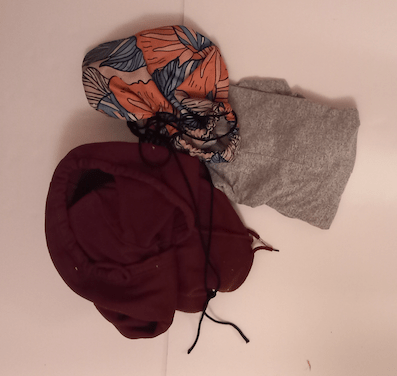
SHEIN LUNE Women’s Batwing Sleeve Round Neck T-shirt, grey
Burgundy hoodie (thrifted)
2024 New Style College Wind Black & White Outdoor Sports Shoes for Women
Allover Leaf Graphic Drawstring Backpack
DAZY Women’s Floral Print Sleeveless Round Neck Sleep Dress
 Fashion Slowdown
Leave a comment