
When I say my generation, I’m taking about later Xs and earlier millennials, probably those born around 1970-1990. We had boomer parents. We watched Sex and the City as youngish adults, and we wanted to live in Manhattan and have those fabulous wardrobes and those fabulous lifestyles.
The sustainable fashion movement started getting more mainstream and high profile after that, around the time of the financial collapse in 2008.
I’m sure a lot of designers (or bloggers) were quietly designing (or blogging) away before then, but I reckon the sudden boom in fast fashion around the 2000s was when it really got started.
And it’s not a coincidence that a lot of the people now talking about sustainability experienced the first big wave of fast fashion. We grew up shopping at H&M, Topshop and Tammy Girl. We bought most of our early working wardrobes from Zara, but still maxed out our credit cards (pre-2008) on designer splurges so we, like Carrie, could have Jimmy Choo shoes and a statement handbag.
Back then I had a pair of Jimmy Choo boots and another pair of Bruno Magli boots, for close to £300 each. I had a Marc Jacobs handbag. A Whistles coat set me back another £250. A Jigsaw sundress was £200. I bought a silk top from Megan Park at Selfridges for £125 and wore it to a wedding. I was on £18,000 a year FFS.
Super-cheap fast fashion was just emerging. I think I first shopped in Primark around 2005, though there had been shops in the UK well before that. At the time it had the kind of reputation Shein does these days — people staggered away with huge bagfuls of clothes, there were reports of seams tearing, buttons pinging off and so on.
Now Primark is a high street staple, and the emergence of ultra fast online only fashion has happened. Not only Shein, but also Boohoo, Missguided, Pretty Little Thing and the rest.
But by the time they came along, my generation had pretty much aged out of what they were producing. We had homes and mortgages. We were having children. We didn’t need new outfits every Friday and Saturday night because we stayed in, cooked nice meals and watched box sets.
I also think a lot of people were drawn to sustainable fashion because they were a bit sickened by the credit-fuelled fashion binges of the early 2000s. Just like we stopped going out and getting drunk, we stopped buying mountains of cheap clothes and only wearing them once or twice. We had moved onto a new life stage.
The aesthetic of many of the slow fashion bloggers is also very appealing to women approaching middle age. We did ditsy printed dresses, crop tops and bling when we were younger. Now we appreciate things like well cut wool trousers, cashmere jumpers and Breton tops (lots of Breton tops). We like Vega trainers or low heeled leather shoes in neutral colours.
So it’s easy for us to say no to Shein and its peers. It’s not so easy for the new, younger generation.
Everything I wore on day 49 of the 90 days of Shein challenge:
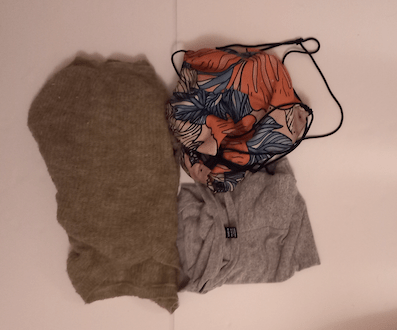
SHEIN LUNE Women’s Batwing Sleeve Round Neck T-shirt, grey
Dazy-Less Women’S V-Neck Drop Shoulder Long Sleeve Sweater, green
2024 New Style College Wind Black & White Outdoor Sports Shoes for Women,
Allover Leaf Graphic Drawstring Backpack
DAZY Women’s Floral Print Sleeveless Round Neck Sleep Dress
3pack Lace Trim No Show Brief, black
 Fashion Slowdown
Leave a comment