
Fast fashion was once adored for its ability to quickly deliver on-trend, affordable clothing, but the industry is now facing increasing scrutiny from eco-conscious consumers. According to a recent report by Mintel, shoppers’ tolerance for the environmental downsides of fast fashion is rapidly diminishing, with many prioritising sustainability over the thrill of a bargain. In fact, nearly two-thirds of women now consider sustainability important when shopping for clothes — a trend that is only expected to grow.
As Mintel highlights, brands that fail to adapt may lose customer loyalty, while those that embrace transparency and sustainability stand to gain. “Consumers are paying attention to retailers’ sustainability efforts,” the report notes, with 6 in 10 Gen Z women stating that a brand’s eco-initiatives influence their shopping decisions.
According to the report, fast fashion retailers that want to keep their customers can take the step of being transparent about their sustainability efforts. Mintel’s research shows that today’s consumers want more information about the environmental impact of their purchases, from the materials used to the production processes behind each item. More than half of women aged 18-34 are particularly interested in knowing whether the materials in their clothing are sustainably sourced or recyclable, while over a third want to learn about the environmental impact, such as carbon emissions and water usage.
Retailers need to meet this demand by sharing every step of their supply chain, allowing customers to make informed decisions. “Consumers must be empowered with the information they crave, whether it’s the sourcing of materials or the breakdown of costs involved in creating the garments,” Mintel notes. By offering a transparent view of their practices, brands can foster trust and loyalty while showcasing their commitment to sustainability.
Eco-conscious shoppers increasingly want to play an active role in protecting the environment, and Mintel’s report has some suggestions for retailers, such as offering repair services and providing advice on how to care for garments more sustainably. A quarter of Gen Z women have already used repair services to extend the life of their clothing — a direct response to inflation — and half of women are interested in learning how to care for their clothes more sustainably, according to Mintel. By providing practical tips and services, fast fashion brands can help consumers reduce their environmental impact while strengthening their relationship with the brand.
Nearly six in ten women between the ages of 18-44 said they are more open to buying preowned clothing than ever before, with 22% specifically doing so as a response to inflation. Some fast fashion brands are capitalising on this trend by offering second-hand clothing and upcycled items made from plant-based materials, such as mushrooms or cacti.
While many consumers are well-intentioned when it comes to shopping sustainably, Mintel’s research finds that other factors like cost and style often take precedence during the actual purchase. However, guilt often accompanies this decision, and consumers are aware when they deviate from their sustainable values. This creates an opportunity for retailers to offer rewards that encourage more eco-friendly choices. According to Mintel, 40% of women aged 25-44 would be influenced by rewards for sustainable behavior, such as discounts for recycling clothing items.
What fast fashion brands have always excelled at is speed, and they must now apply that same urgency to their sustainability efforts, argues Mintel. The company points out: “Any company can set empty goals and talk the talk, but those that can actually show measurable progress and genuine intention to change can win not only share of wallet but share of heart.” Transparency, empowerment, and rewarding sustainable behaviors are crucial steps that will determine whether fast fashion can evolve in response to changing consumer preferences.
Everything I wore on day 51 of the 90 days of Shein challenge:
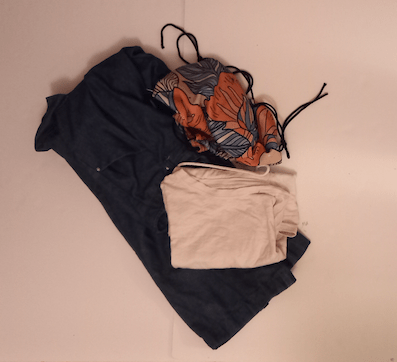
DAZY Solid Drop Shoulder Tee, white
Dazy-Less Drawstring Waist Cargo Wide Leg Denim Pants Baggy Jeans
2024 New Style College Wind Black & White Outdoor Sports Shoes for Women
Allover Leaf Graphic Drawstring Backpack
DAZY Women’s Floral Print Sleeveless Round Neck Sleep Dress
3pack Lace Trim No Show Brief, black
 Fashion Slowdown
Leave a comment