
TikTok influencer Alisa Voss is holding a huge cardboard box up for the camera when plastic-wrapped packages start to cascade onto the floor. She’s just announced her biggest Shein haul ever, spending AUD900 (about £460).
“Look at how much stuff is in there!” She says to the camera. “I’m like swimming in an ocean of pink and white stuff.”
Voss seems pleased with her haul, delightedly unboxing a pair of pink sandals, two bustiers and a handbag before the video ends with her barely making a dent in the ocean of packages.
Lola Winters goes one better, with not one but two boxes, one of which is “literally about to bust open”. “This is embarrassing,” she says. “I’m just going to pull out random things because I don’t know where to start.”
In total she’s ordered more than 50 items, some of them for her upcoming spring break. Picking up a cropped turquoise t-shirt she looks concerned. “Wait I think I have this exact same tie… but the neckline is different,” she comments.
The world of fast fashion has exploded in recent years, and no brand epitomises this more than Shein. Known for its ultra-cheap, trendy clothing, Shein has quickly climbed to the top of the fashion industry, thanks in no small part to an army of social media influencers.
On TikTok, Shein dominates the haul trend, with the brand being featured in 42% of the top clothing and home haul videos, according to 2023 data from the advertising platform Illumin.
These influencers, many working directly with the brand, have propelled Shein to become the fourth most popular brand overall on TikTok. Their videos, often tagged with #SheinHaul, are central to Shein’s rise to fame and consumer demand.
However, this trend is more than just a case of influencers promoting products they’ve been paid to showcase. There are an increasing number of haul videos created by people who aren’t sponsored or paid by the brand. These creators are promoting Shein and ultra-fast fashion on their own initiative, drawn to the potential for viral content that large hauls can generate. As a result, even those without brand deals are contributing to Shein’s relentless social media presence.
The success of these haul videos stems from their accessibility and appeal. While YouTube hauls of the past often showcased expensive items, such as luxury tech or high-end fashion, the TikTok haul trend is notably more affordable. Shein’s ultra-low prices make massive hauls feasible for a broader audience.
Influencer Abigail Vance, for example, presents her “massive Shein summer haul” on TikTok, commenting that she shopped at the Chinese fast fashion brand because she’s “skint”.
Others are bigger spenders. A quick search of the #SheinHaul hashtag on TikTok shows influencers and regular users alike showcasing collections of Shein clothing that range from $400 to as much as $2,000. These hauls aren’t just about showcasing a few new outfits — they’re about presenting entire wardrobes, sometimes for a single season.
But there’s a dark side to this viral trend. Fast fashion thrives on constant consumption and disposal. With Shein offering clothing at such low prices, consumers are encouraged to buy in bulk, but the question looms: what happens to all of these clothes after the hauls? Many people might return some or most of their purchases after filming the haul, but the reality is grim. Most online returns are not restocked or resold. Instead, they often end up in landfills, contributing to the mounting environmental toll of fast fashion.
UK-based TikToker Dais acknowledges this when presenting the “biggest Shein haul I have ever done”, on which she spent £250. She justifies the splurge — in terms of volume if not cash — by telling viewers she’s not bought anything from Shein for a year. The haul consists of “just a few bits” she couldn’t find on secondhand marketplaces Vinted or Depop.
The popularity of #SheinHaul videos reflects a larger issue within the fashion industry — a focus on immediate gratification and fleeting trends over sustainability. It’s no longer just influencers getting paid to promote fast fashion. It’s an entire culture of consumption being fueled by social media algorithms that reward excess with views and likes. This cycle perpetuates the rapid turnover of cheap, disposable clothing, with little regard for the long-term environmental consequences.
Everything I wore on Day 57 of the 90 days of Shein challenge:
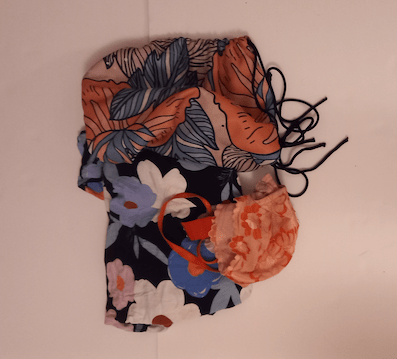
Allover Leaf Graphic Drawstring Backpack
DAZY Women’s Floral Print Sleeveless Round Neck Sleep Dress
Lace Flower Pattern Thin Underwear Set, bra
(just to note… this week I am FAILING at the challenge due to a combination of bad weather and leaving several items at friends’ and families’ houses. Hoping to get back on track soon.)
 Fashion Slowdown
Leave a comment