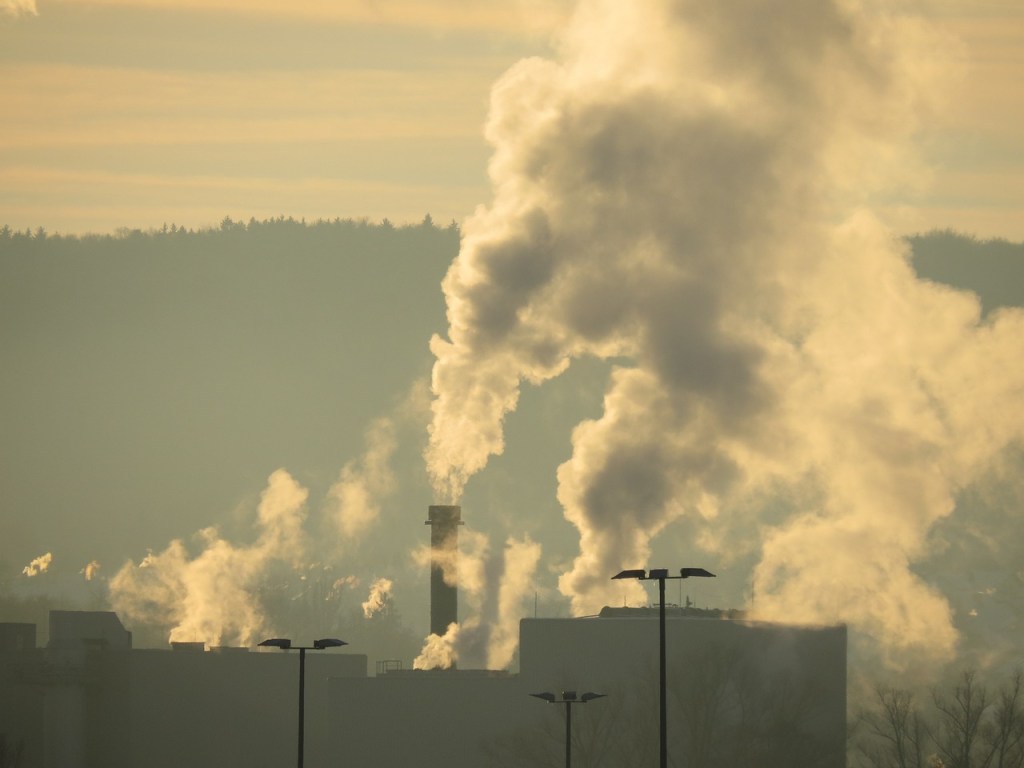
Fashion Revolution’s latest report, What Fuels Fashion, reveals fashion industry’s largest brands are moving too slowly in their efforts to eliminate reliance on fossil fuels.
According to the report, which ranks 250 of the world’s most influential fashion companies, the majority are failing to prioritise sustainable energy practices that are crucial to mitigating climate change. Fashion Revolution argues that these brands must urgently invest at least 2% of their annual revenue into a “Just Transition” — shifting their energy consumption from fossil fuels to renewables like wind and solar to power their production processes in a more sustainable manner.
The report highlights how fashion continues to be one of the most polluting industries in the world, contributing significantly to climate change. Despite growing awareness of the environmental crisis, big brands’ current climate targets fall far short of what is needed to limit global warming to 1.5°C, as outlined in the Paris Agreement.
Instead of shouldering the financial burden of this transition, many brands pass the costs onto the factories in their supply chain — leaving workers and communities in garment-producing countries to bear the consequences of a problem they did not create.
“Fashion brands are shifting the costs onto the factories they work with, burdening workers and communities with fixing a problem they didn’t create,” Fashion Revolution warns in the report.
A particularly alarming aspect of the report is the industry’s lack of commitment to protecting the workers in their supply chains. Only 3% of brands disclose any efforts to financially support workers affected by the climate crisis, despite the growing frequency of extreme weather events that threaten livelihoods.
“By investing at least 2% of their revenue into clean, renewable energy and upskilling and supporting workers, fashion could simultaneously curb the impacts of the climate crisis and reduce poverty and inequality within their supply chains,” said Maeve Galvin, Fashion Revolution’s global policy and campaigns director.
This sentiment is not just about philanthropy; it is about justice for the most vulnerable workers in the fashion industry, who are often paid poverty wages and are ill-equipped to recover from climate-related disasters.
The What Fuels Fashion report finds nearly a quarter of major fashion brands provide no information on decarbonisation, and only four companies have set sufficiently ambitious emissions reduction targets that align with the United Nations’ climate goals. Worse, many brands report rising emissions, even as they claim to be working toward reducing them. Of the 117 brands that have made decarbonisation commitments, 42 have seen their emissions increase, suggesting that progress toward achieving climate targets is more an illusion than a reality.
86% of brands lack any public commitment to phasing out coal, and 94% have no renewable energy target for their operations. Furthermore, no brand discloses information on hourly electricity usage in their supply chains, raising questions about the credibility of their sustainability claims. “Big fashion’s zero-emissions claims may be disconnected from grid realities,” the report notes, indicating that these brands may be misleading consumers about their true environmental impact.
Everything I wore on Day 63 of the 90 days of Shein challenge:

SHEIN LUNE Eyelet Embroidery Knot Front Tee, white
Dazy-Less Drawstring Waist Cargo Wide Leg Denim Pants Baggy Jeans
Burgundy hoodie (thrifted)
Beige trench coat (thrifted)
2024 New Style College Wind Black & White Outdoor Sports Shoes for Women
Allover Leaf Graphic Drawstring Backpack
DAZY Women’s Floral Print Sleeveless Round Neck Sleep Dress
3pack Lace Trim No Show Brief, pink
 Fashion Slowdown
Leave a comment