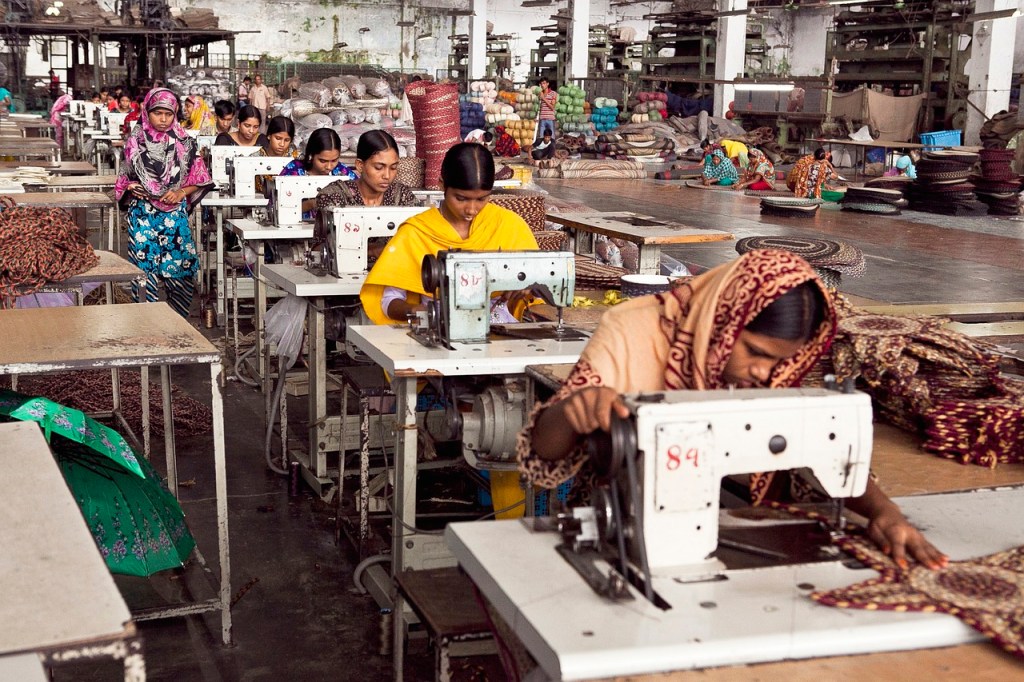
Bangladesh has long been a powerhouse in the global fast fashion industry, but the recent unrest in the country has caused some global brands to reconsider, as reported by the BBC today.
Known for its massive garment production, the country exports billions of dollars worth of clothing every year to international retailers like H&M, Gap, and Zara. Over the past three decades, this sector has transformed Bangladesh from one of the world’s poorest nations into a lower-middle-income country. However, this key economic engine is now facing significant turmoil due to recent political unrest that toppled the government of Sheikh Hasina in August.
The garment industry, valued at $55bn annually, was significantly affected by the unrest. During weeks of intense protests, factories were set ablaze, and businesses struggled to function under a nationwide internet blackout.
Now, as reported by the BBC, several companies that supply to global giants like Disney and Walmart have already begun looking elsewhere for manufacturing, concerned about the potential risks of continuing to source from a country facing such instability.
According to the BBC, fast fashion exports currently account for a staggering 80% of the country’s export earnings, making any downturn in this sector especially perilous for the national economy.
But beyond the industry’s immediate concerns, deeper structural issues have emerged, such as widespread discontent among factory workers. Many garment workers earn wages far below the national minimum, and these meager incomes have pushed some into debt just to feed their families. This has fueled worker protests calling for higher wages and better working conditions.
The student-led protests that helped bring down the Hasina government have also brought to light frustrations over the lack of high-paying jobs outside the garment sector.
These issues come on top of other challenges that pre-date the recent political crisis. Economic problems have been mounting for years, exacerbated by scandals, accidents, and the effects of the COVID-19 pandemic. With rising production costs and declining demand, Bangladesh has struggled to maintain its competitive edge in the global marketplace.
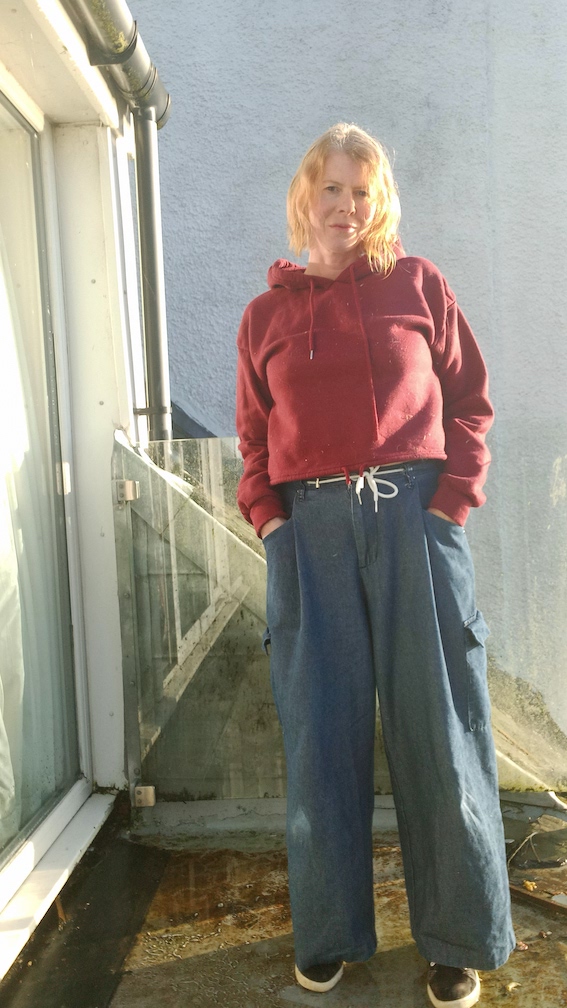
Everything I wore on day 75 of the 90 days of Shein challenge:
SHEIN LUNE Eyelet Embroidery Knot Front Tee, white
Dazy-Less Drawstring Waist Cargo Wide Leg Denim Pants Baggy Jeans
Burgundy hoodie (thrifted)
2024 New Style College Wind Black & White Outdoor Sports Shoes for Women
Allover Leaf Graphic Drawstring Backpack
DAZY Women’s Floral Print Sleeveless Round Neck Sleep Dress
3pack Lace Trim No Show Brief, pink
 Fashion Slowdown
Leave a comment